

Starting BJJ as an Older Beginner: A Guide for BJJ for Older Learners
- Jimmy Rose, lifelong martial artist & BJJ enthusiast
- Feb 4
- 4 min read
Starting Brazilian Jiu-Jitsu (BJJ) later in life can feel intimidating. But it doesn’t have to be. I’ve learned that with the right mindset and approach, BJJ is accessible and rewarding for older beginners. This guide will walk you through what to expect, how to prepare, and why BJJ is a fantastic choice for anyone starting later. Whether you’re 40, 50, or beyond, you can build skills, confidence, and fitness on the mats.
Why Choose BJJ for Older Learners?
BJJ is often seen as a young person’s sport, but that’s a misconception. The art focuses on technique, leverage, and strategy rather than brute strength. This makes it ideal for older learners who want to stay active without risking injury.
Here are some reasons why BJJ suits older beginners:
Low-impact training: BJJ emphasises controlled movements and technique, reducing strain on joints.
Mental challenge: It’s like chess on the mat, requiring problem-solving and quick thinking.
Community support: Most gyms foster a welcoming environment where everyone helps each other improve.
Self-defence skills: Learning practical techniques boosts confidence in everyday life.
Improved fitness: Regular training enhances flexibility, strength, and cardiovascular health.
Starting BJJ as an older beginner means you can focus on learning smart techniques and pacing yourself. You don’t need to rush or compare yourself to younger practitioners. The key is consistency and patience.
How to Get Started with BJJ for Older Learners
Starting BJJ later means you should take a thoughtful approach. Here’s a step-by-step plan to help you begin safely and enjoyably:
Find the right gym: Look for a school with experienced instructors who understand older beginners. A friendly atmosphere is essential.
Start with fundamentals: Focus on basic positions, escapes, and submissions. Don’t worry about advanced moves at first.
Communicate with your instructor: Let them know your age and any physical limitations. They can tailor advice and drills accordingly.
Warm up properly: Older bodies need more time to prepare. Gentle stretching and mobility exercises before class help prevent injury.
Train smart: Avoid pushing too hard too fast. Take breaks when needed and listen to your body.
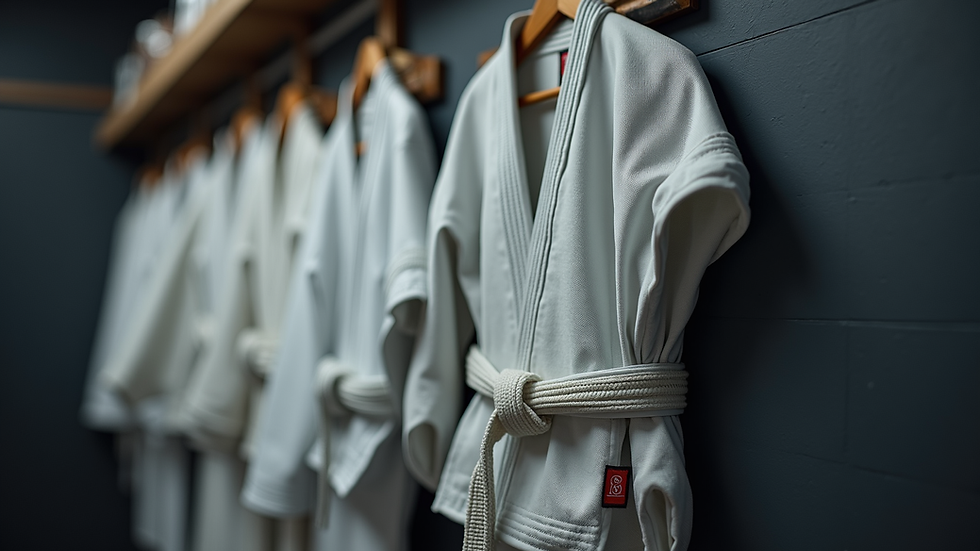
Use proper gear: Invest in a comfortable gi or no-gi attire that fits well and allows movement.
Stay consistent: Aim for 2-3 classes per week to build skills steadily without overdoing it.
Remember, progress in BJJ is about small improvements over time. Celebrate every new technique you master and every roll you complete.
Is Brazilian Jiu-Jitsu Good for Older Adults?
Absolutely. BJJ offers many benefits specifically for older adults:
Joint health: The controlled movements help maintain joint mobility and reduce stiffness.
Balance and coordination: Training improves body awareness, which lowers the risk of falls.
Stress relief: The focus required during training helps clear the mind and reduce anxiety.
Social connection: Joining a BJJ community combats loneliness and builds friendships.
Weight management: Regular exercise supports a healthy weight and metabolism.
Many older practitioners report feeling stronger, more agile, and mentally sharper after months of training. The key is to approach BJJ as a lifelong journey rather than a quick fix.

Common Challenges and How to Overcome Them
Starting BJJ as an older beginner comes with unique challenges. Here’s how to handle some of the most common ones:
Fear of injury: Focus on technique and avoid aggressive sparring early on. Use tap-outs to prevent injuries.
Slower recovery: Give your body time to rest between sessions. Use ice, stretching, and proper nutrition to aid recovery.
Feeling out of place: Remember, many gyms have older practitioners. Find a school that values all ages.
Learning curve: Don’t get discouraged if progress feels slow. Consistency beats speed.
Physical limitations: Modify techniques as needed. Your instructor can help adapt moves to suit your abilities.
By addressing these challenges head-on, you’ll build confidence and enjoy your training more.
Finding BJJ Classes Near You
If you’re in the UK and looking for a place to start, there are many options available. It’s important to choose a gym that understands the needs of older beginners. You can search online or ask for recommendations.
When visiting a gym, consider:
The instructor’s experience with older students
Class size and atmosphere
Availability of beginner-friendly sessions
Cleanliness and safety of the facility
Taking a trial class is a great way to see if the gym feels right for you.
Embracing the Journey: What to Expect Long Term
Starting BJJ as an older beginner is just the beginning of a rewarding journey. Over time, you’ll notice improvements in your physical health, mental clarity, and social life. Here’s what you can expect as you continue:
Better technique: Your moves will become smoother and more effective.
Increased confidence: You’ll feel more capable both on and off the mats.
Stronger community ties: Training partners become friends and support systems.
Greater resilience: You’ll handle stress and challenges with more ease.
Lifelong learning: BJJ offers endless opportunities to grow and improve.
Keep your goals realistic and enjoy the process. The gentle art is about progress, not perfection.
Starting BJJ as an older beginner is a fantastic way to stay active, learn new skills, and connect with others. With the right mindset and support, you can thrive on the mats and beyond. Take the first step today and discover the many benefits of this incredible martial art.


