

King Charles III Steps Onto the Mats at Roger Gracie Academy: A Landmark Royal Endorsement for Brazilian Jiu-Jitsu
King Charles III Steps Onto the Mats at Roger Gracie Academy: A Landmark Royal Endorsement for Brazilian Jiu-Jitsu
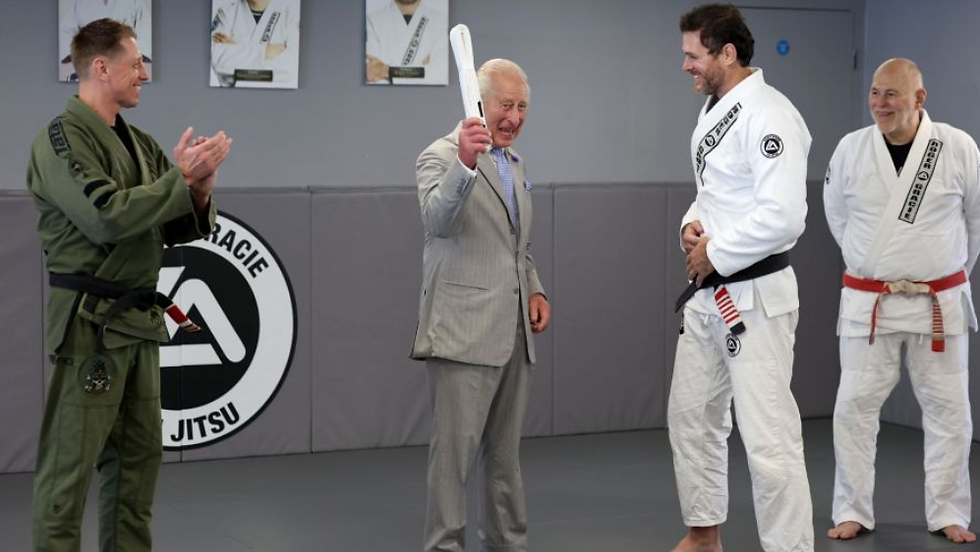
In a moment of genuine warmth and respect that has resonated across the British martial arts world, His Majesty King Charles III visited the Roger Gracie Brazilian Jiu-Jitsu Academy in Hammersmith, London, on 24 June 2026. The visit was no brief ceremonial stop. The King spent substantial time engaging with students, instructors, and the vital work of the REORG charity, which uses Brazilian Jiu-Jitsu to support military personnel, veterans, and emergency service workers.
The academy, founded in 2004 by ten-time world champion Roger Gracie and his father, Master Mauricio Gomes, known as the Godfather of British Jiu-Jitsu, provided a fitting stage for this historic encounter. What unfolded was a powerful blend of tradition, inclusivity, and quiet symbolism that elevated the profile of Brazilian Jiu-Jitsu in the United Kingdom.
A Visit Centred on Transformation and Community
The King's engagement focused heavily on REORG, the charity established nine years ago by Royal Marines veteran and black belt Sam Sheriff MBE. REORG operates through a nationwide network of more than 200 partner academies, delivering fully funded Brazilian Jiu-Jitsu training in supportive environments. Its mission is to help those who serve or have served rebuild confidence, purpose, and connection while addressing physical, mental, and social challenges.
King Charles watched demonstrations by students of all abilities and backgrounds on the mats. Among the practitioners was rapper Tinie Tempah, a committed purple belt who took part in the sessions. The King observed a range of techniques, including joint locks and choke holds, and he listened attentively as participants shared how the art had supported their recovery and wellbeing.
In a particularly moving sequence, the King personally presented a black belt during a special grading ceremony to Trent Scanlen, an Australian REORG trustee and dedicated practitioner of more than ten years. Scanlen has spoken of Brazilian Jiu-Jitsu's central role in his recovery following a personal battle with cancer. The moment underscored the art's capacity to foster resilience and community for those facing profound difficulties.
A White Belt for the King
In a reciprocal gesture rich with meaning, Roger Gracie presented King Charles with an honorary white belt, the entry-level rank that symbolises the beginning of every practitioner's journey. The King accepted it with visible amusement, holding it up and waving it gently as students applauded. He wore the customary blue disposable shoe covers over his formal footwear, a small but telling detail that showed his willingness to step fully onto the mats and honour the academy's protocols.
Adding a personal touch, the King drew on his own Royal Navy experience, joking that the grappling reminded him of tug-of-war aboard HMS Bronington, the rope was tied round the stern so you could not see the other team. It was like a pulley system that never ended. The light-hearted remark highlighted both his engagement and the universal appeal of the art's physical and mental demands.
Beyond the REORG participants, the King met students from across the academy's wider community, including young adults and practitioners from dedicated classes for those aged fifty and over. This breadth of engagement reflected the academy's long-standing commitment to inclusivity, welcoming people of any age, experience level, or background.
A Boost for a Growing Sport
Brazilian Jiu-Jitsu has expanded rapidly across the United Kingdom in recent years, moving from small grassroots clubs to a thriving network of academies. Its appeal lies not only in technical excellence and competitive success but also in its documented benefits for confidence, resilience, stress management, and mental wellbeing. Programmes aimed at young people, including those addressing bullying and personal development, have grown alongside initiatives like REORG that serve veterans and emergency services.
The King's visit sends a clear message of legitimacy and value. It recognises Brazilian Jiu-Jitsu as a serious discipline with real social impact, one capable of supporting recovery, building community, and fostering personal growth across all walks of life. For an art built on leverage, respect, and quiet determination, this royal acknowledgement provides significant cultural momentum.
Expect renewed interest from schools, youth organisations, local councils, and sports bodies. More newcomers are likely to walk through academy doors, and existing community programmes stand to gain greater visibility and support. The visit also shines a spotlight on the dedicated work of instructors and charities who have quietly transformed thousands of lives through consistent training and inclusive culture.
A Gesture the Community Will Remember
As the King departed, the atmosphere on the mats was one of mutual respect and quiet pride. Students and instructors alike recognised the significance of the moment, not as spectacle, but as genuine acknowledgement of the art's principles and its contributions to British society.
This was never about celebrity or pageantry. It was about a monarch stepping onto the mats, listening, learning, and participating in the rituals of an art that values humility as much as technique. In presenting a black belt to a veteran who had overcome cancer and receiving a white belt in return, King Charles embodied the very spirit of Brazilian Jiu-Jitsu: beginning again with respect, embracing challenge, and honouring the journey of others.
For the Roger Gracie Academy, for REORG, and for the wider British Brazilian Jiu-Jitsu community, this royal nod of approval marks a defining chapter. It affirms that the sport has earned its place not only in gyms and competitions but in the broader national conversation about health, resilience, and community. The ripples from this single visit are only beginning to spread.


